Get A Free Estimate
Please Fill Out The Form Below
For A Free Estimate!
Signs of Roof Damage to Look for
Cracks, leaks, and missing shingles are some of the most obvious signs of roof damage that homeowners should be on the lookout for. Cracks in the roof can occur due to age, weather conditions, or improper installation. These cracks can lead to water seepage, which can cause further damage to the structure of the roof and the interior of the house. Leaks are another clear indicator of roof damage, and they can often be spotted by water stains on the ceiling or walls. Additionally, missing shingles can leave the roof vulnerable to moisture, wind, and debris, making it essential to address this issue promptly.
Another sign of roof damage to be aware of is the presence of granules in the gutters or downspouts. As asphalt shingles age, they tend to lose their protective granules, which can end up in the drainage system. This can indicate that the shingles are deteriorating and may need to be replaced. Sagging or dipping areas on the roof are also indicative of damage. These areas can be caused by various factors, such as excessive moisture, rotting plywood, or inadequate structural support. If left unattended, the sagging can worsen and potentially result in more serious problems, such as roof collapse.
Importance of Timely Roof Repairs
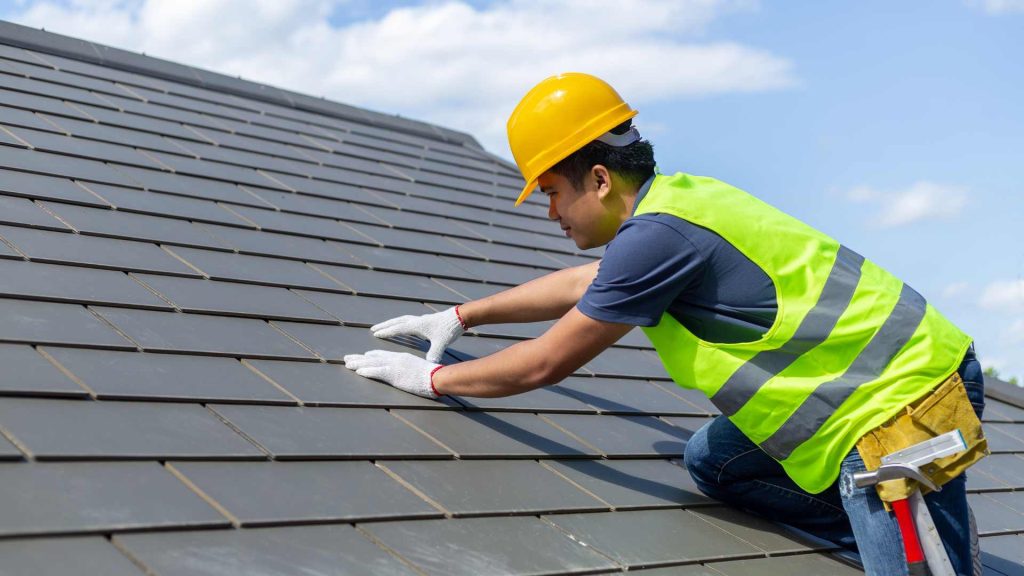
A well-maintained roof is vital for the overall health and longevity of your home. Timely roof repairs play a crucial role in ensuring that your roof remains in good condition and can effectively protect your home from the elements. Neglecting roof repairs can lead to a variety of problems, including water damage, energy inefficiency, mold growth, and structural issues.
One of the main reasons why timely roof repairs are important is their ability to prevent water damage. A damaged roof can allow water to seep into your home, resulting in costly repairs and potential health hazards. From damaged ceiling and walls to warped flooring and furniture, the consequences of water damage can be extensive. By promptly addressing any roof issues, you can safeguard your home from water-related damages and maintain a safe and comfortable living environment.
Give Us A Call Now At (123) 456-7890
Common Causes of Roof Damage
Roof damage can occur due to a variety of factors. One common cause is extreme weather conditions such as heavy rain, snowstorms, or high winds. These can weaken the integrity of the roof, leading to leaks or even structural damage. Another factor is the age of the roof. Over time, regular wear and tear can cause shingles to become loose or brittle, increasing the risk of damage. Additionally, poor installation or maintenance can contribute to roof problems. If the roof was not properly installed or if routine inspections and repairs are neglected, it can make the roof more susceptible to damage.
Another cause of roof damage is the presence of trees or overhanging branches near the roof. Falling branches can damage shingles or puncture the roof’s surface, leading to leaks and other issues. Similarly, the growth of moss or algae on the roof can trap moisture, which can degrade the roofing materials over time. Additionally, animals such as birds or rodents can create holes or nests in the roof, causing damage. It is important to address these factors promptly to prevent further damage and avoid costly repairs.
DIY Roofing Repair Tips
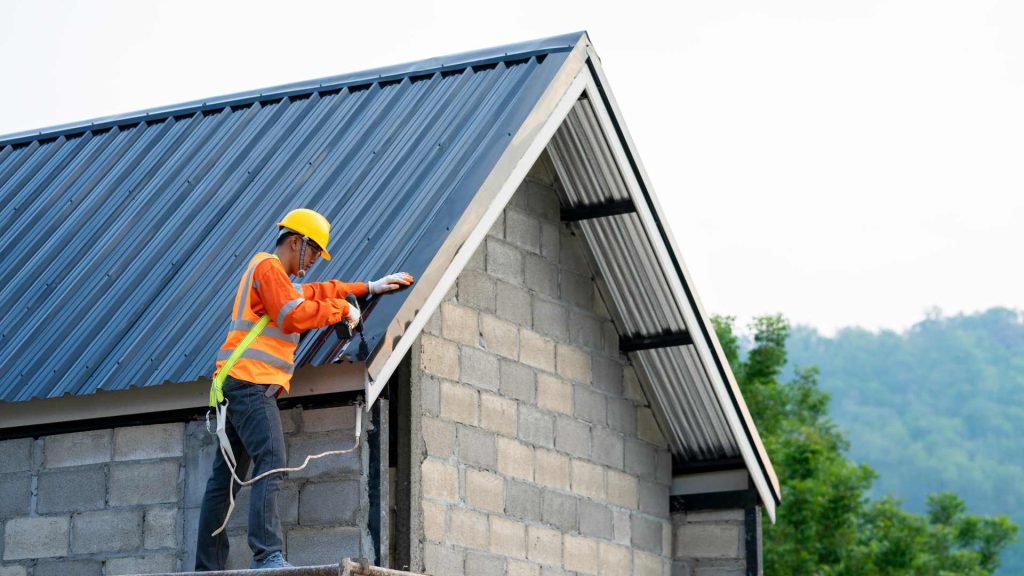
One important DIY roofing repair tip is to regularly clean your roof. This helps prevent the buildup of debris and leaves that can lead to clogged gutters and drainage issues. Use a long-handled broom or a leaf blower to remove any loose leaves, twigs, and dirt from the surface of your roof. This simple maintenance task can go a long way in preserving the integrity of your roof and preventing potential damage.
Another useful DIY roofing repair tip is to inspect your roof for any signs of damage, such as missing shingles or cracked tiles. These small issues can quickly escalate into larger problems if not addressed promptly. Take the time to carefully examine your roof, paying close attention to areas where shingles or tiles may be loose or damaged. If you notice any issues, it is best to address them as soon as possible before they worsen and result in more extensive repairs.
Benefits of Hiring Professional Roofing Contractors
Hiring professional roofing contractors brings numerous benefits to homeowners. Firstly, professionals have extensive knowledge and experience in roof repairs. Their expertise allows them to accurately assess the damage, identify potential issues, and provide appropriate solutions. With their skill set, they can efficiently execute the necessary repairs, ensuring a durable and long-lasting result.
Secondly, professional roofing contractors have access to the proper equipment and materials needed for the job. They are equipped with the latest tools and technology, enabling them to work more efficiently and effectively. Additionally, they have access to high-quality materials that are specifically designed for roof repairs, ensuring that the work is done to the highest standard. This eliminates the need for homeowners to research and purchase the necessary materials themselves, saving both time and money.
Overall, hiring professional roofing contractors offers peace of mind to homeowners. Their expertise, access to materials, and efficient workmanship ensure that the roof repairs are done correctly and with minimal disruption. By entrusting the job to professionals, homeowners can be confident that their roof will be in good hands, allowing them to focus on other aspects of their home maintenance.
Give Us A Call Now At (123) 456-7890
Different Types of Roofing Materials for Repair
Asphalt shingles are one of the most commonly used roofing materials for repair. They are cost-effective, easy to install, and available in a variety of colors and styles. Asphalt shingles are durable and can last up to 20 years with proper maintenance. However, they may not be the best choice for extreme weather conditions.
Metal roofing is another popular option for roof repair. It is highly resistant to fire, wind, and hail damage, making it a durable choice for homeowners. Metal roofs are available in various styles, such as standing seam and corrugated panels, and can last up to 50 years with minimal maintenance. Additionally, they are energy-efficient and can help reduce energy costs. However, metal roofing tends to be more expensive than other materials.
Steps Involved in the Roof Repair Process
The first step in the roof repair process is to thoroughly inspect the damaged area. This involves a close examination of the roof to identify any leaks, cracks, or missing shingles. It is important to note the extent of the damage and determine whether it can be fixed with a simple repair or if a full replacement is required.
Once the inspection is complete, the next step is to prepare the roof for repair. This includes removing any loose debris, such as leaves or branches, and cleaning the surface to ensure proper adhesion of the repair materials. It is crucial to take safety precautions, such as using a sturdy ladder and wearing appropriate protective gear, throughout the repair process.
Tips for Finding a Reliable Roofing Repair Company
When it comes to finding a reliable roofing repair company, there are a few key tips to keep in mind. First and foremost, it is important to do your research. Take the time to read reviews and testimonials from previous customers to get an idea of the company’s reputation and the quality of their work. Additionally, don’t hesitate to ask for references from the company itself to further validate their track record.
Another important tip is to ensure that the company you choose is licensed and insured. This not only protects you as the homeowner, but it also shows that the company is professional and takes their work seriously. A licensed and insured roofing repair company will have the necessary qualifications and expertise to handle any issues that may arise during the repair process. Finally, don’t forget to consider the company’s pricing structure. While it is important to find a company that fits within your budget, be wary of extremely low prices as they may be a reflection of poor quality workmanship. It is always best to find a balance between affordability and quality when choosing a roofing repair company.
Factors to Consider When Budgeting for Roof Repairs
When budgeting for roof repairs, there are several factors that need to be taken into consideration. First and foremost, the size and complexity of the repair job will play a significant role in determining the overall cost. A small patch or minor leak can usually be repaired at a relatively low cost, while larger repairs or replacements can be much pricier. Additionally, the type of roofing material used will also impact the budget. Different materials have different price points, so it’s essential to account for this when planning your roof repair budget. Other factors to consider include the labor costs involved, any necessary permits or licenses, and potential additional expenses such as disposing of old roofing materials.
It’s important not to overlook the potential for unexpected costs when budgeting for roof repairs. Sometimes, roof damage can be more extensive than initially anticipated, requiring additional repairs or replacements. In these cases, having a contingency fund set aside can help prevent any financial strain. It’s also a good idea to consider the lifespan of your current roof and how much longer it is expected to last. If your roof is nearing the end of its lifespan, it may be more prudent to invest in a full replacement rather than patching up temporary fixes. By carefully considering all these factors and planning accordingly, you can ensure that your roof repair budget is both realistic and sufficient to address any necessary repairs.
How to Maintain Your Roof to Prevent Future Damage
Regular maintenance is crucial in preventing future damage to your roof. One important step is to keep your gutters clean and free of debris. Clogged gutters can cause water to back up, leading to water damage to your roof and its underlying structure. Regularly inspect and clean your gutters, especially after heavy storms or during the fall season when leaves are more likely to accumulate.
Another way to maintain your roof is to trim overhanging tree branches. Branches that are too close to your roof can scrape against it during windy conditions, resulting in shingle damage or even punctures. Trim any branches that are within six feet of your roof to reduce the risk of this kind of damage. Additionally, be mindful of moss or algae growth on your roof. These organisms can trap moisture and cause shingles to deteriorate over time. If you notice any moss or algae, you can use a specially formulated cleaner to remove it safely and protect the integrity of your roof.